Charlie Javice
NEW YORK, Sept. 29, 2025 — Charlie Javice, founder of the student financial aid startup Frank, was sentenced Monday to seven years in federal prison for orchestrating a massive fraud that misled JPMorgan Chase into paying $175 million for her company.
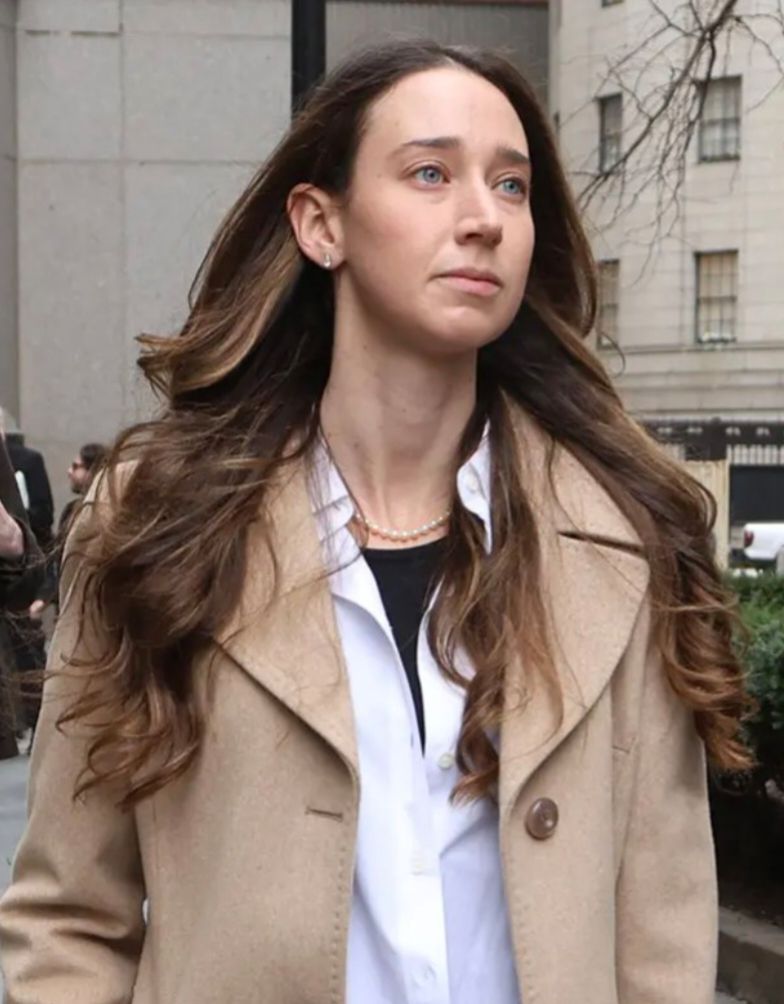
The 33-year-old entrepreneur was convicted earlier this year of fabricating millions of fake users to make Frank appear far more valuable than it really was. Prosecutors described the case as one of the most significant fintech frauds in recent memory.
Judge Calls Fraud “Biblical”
During the sentencing in Manhattan federal court, Judge Alvin Hellerstein condemned Javice’s actions in unusually sharp terms, invoking biblical language as he delivered his ruling.
“Among the many commandments in the Bible are the commandments of just weights and measures,” he said. “Yours was not a just weight and measure. You’re a good person who did a bad thing, and I have to punish you.”
Prosecutors had asked for a 12-year prison term, while Javice’s attorneys pleaded for leniency.
Tearful Apology from Javice
Before the judge issued his decision, Javice stood and tearfully addressed the court, apologizing to her parents and expressing deep regret.
“At 28 I did something that runs against the grain of my upbringing,” she said, her voice breaking. “I made choices I will spend my entire life regretting. I miss being a source of pride for my family.”
Her lawyer, Ronald Sullivan, argued that Javice’s case should not be compared to that of Elizabeth Holmes, the Theranos founder who received more than 11 years in prison for medical fraud. “Ms. Javice’s sentence should be nowhere near Elizabeth Holmes’,” Sullivan told the court, adding that Frank had helped some students navigate the complex financial aid process.
Prosecutors Say Greed Was the Motive
Assistant U.S. Attorney Micah Fergenson rejected comparisons to Holmes, insisting that Javice’s scheme was “a calculated act of greed.”
“JPMorgan didn’t get a functioning business,” he said. “They acquired a crime scene.”
According to court filings, Frank had only a few hundred thousand legitimate users at the time of the sale. To convince JPMorgan otherwise, Javice allegedly ordered staff to create fake customer accounts. One employee testified that when he resisted, Javice reassured him: “Don’t worry. I don’t want to end up in an orange jumpsuit.”
JPMorgan Left Red-Faced
The case was a major embarrassment for JPMorgan Chase, which had been racing to acquire fintech startups in an effort to stay ahead of Silicon Valley competitors.
Led by CEO Jamie Dimon, the bank rushed to outbid rivals without properly vetting Frank’s customer data.
“The sole source of value in Frank was its purported relationships with millions of college students,” prosecutors said. “Those millions of relationships turned out to be illusory — and so too was Frank’s value.”
From Rising Star to Inmate
Javice founded Frank in 2017, pitching it as a tool to help students simplify the FAFSA process. The company was praised for making financial aid more accessible to underserved communities, and Javice herself was featured in profiles as a rising figure in fintech.
What’s Next
But behind the hype, prosecutors say, the company never achieved the scale she claimed. When JPMorgan came calling in 2021, Javice exaggerated Frank’s success — a move that would ultimately undo both her career and her freedom.
Despite receiving over 100 letters of support from friends, mentors, and colleagues describing her as compassionate and dependable, Javice could not escape the weight of her conviction.
Judge Hellerstein ruled that a prison term was necessary to reflect the seriousness of the fraud.
With her seven-year sentence, Javice now joins the ranks of disgraced startup founders, her name frequently mentioned alongside Elizabeth Holmes as a cautionary tale of ambition gone too far.