Bugatti Veyron at 20: The Hypercar That Changed the Game
It’s been two decades since the Bugatti Veyron first stunned the world, and even today, it still feels like something out of a dream. When it launched in 2005, this wasn’t just another fast car—it was a groundbreaking statement. Powered by a quad-turbocharged 8.0-liter W16 engine pushing out 736kW (987 hp) and capable of reaching 407 km/h, the Veyron became the first production car to smash through the 400 km/h barrier.
A Vision Turned Reality
The Veyron was the brainchild of Ferdinand Piëch, Volkswagen Group’s ambitious leader at the time. His idea? A road car with 1,000 horsepower that could hit 400 km/h. To many, it sounded impossible. Engineers faced countless setbacks—failed prototypes, overheating issues, and even exploding seals—but after years of persistence, Bugatti pulled it off.
The final W16 setup was a triumph of engineering. From its intricate cooling system to the seven-speed dual-clutch gearbox, every detail was designed to balance raw performance with everyday usability. This was a car powerful enough for the autobahn yet refined enough to roll up to an opera house without seeming out of place.
Critics Then, Respect Now
When the Veyron first arrived, not everyone was convinced. Some said it was too heavy, too polished, and lacked the raw emotion of rivals like the McLaren F1. Legendary designer Gordon Murray even dismissed it as more of a “technical exercise” than a true driver’s car.
But time has changed opinions. Today, enthusiasts recognize the Veyron as a pioneer, a car that set the standard for modern hypercars. Like the Lexus LFA or Jaguar XJ220, its reputation has grown with age, proving that what once seemed over-engineered was actually ahead of its time.
Built for Legacy, Not Profit
Bugatti produced only 450 Veyrons, and each one reportedly cost Volkswagen Group millions in losses. Profit was never the point. The Veyron existed as a showcase of engineering pride—a bold, extravagant project that proved what was possible when ambition came before balance sheets.
Now, 20 years on, the car has moved beyond its “world’s fastest” headlines to become a true icon. In today’s era of 1,500-horsepower hybrids and all-electric hypercars, the Veyron still feels special. It wasn’t about chasing market trends. It was about making history.
A Lasting Legacy
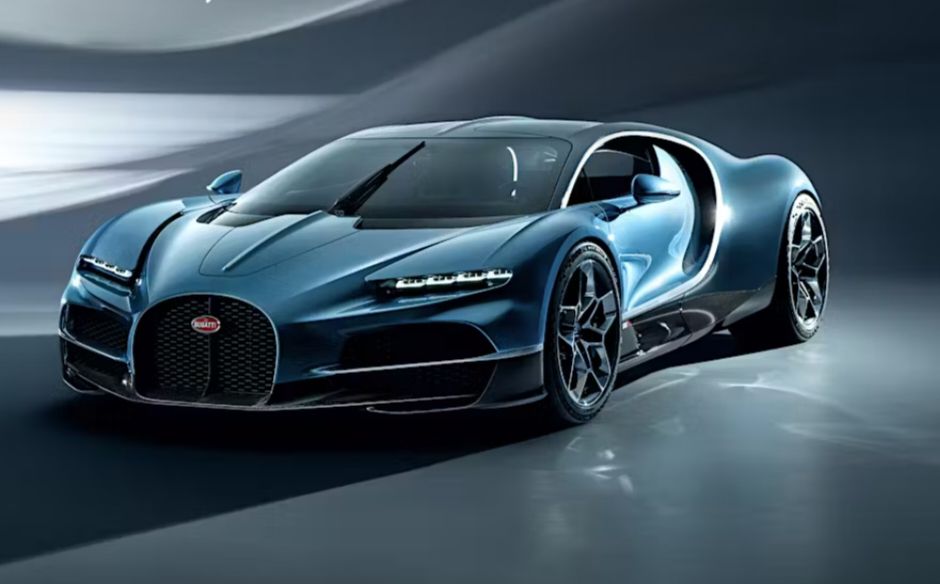
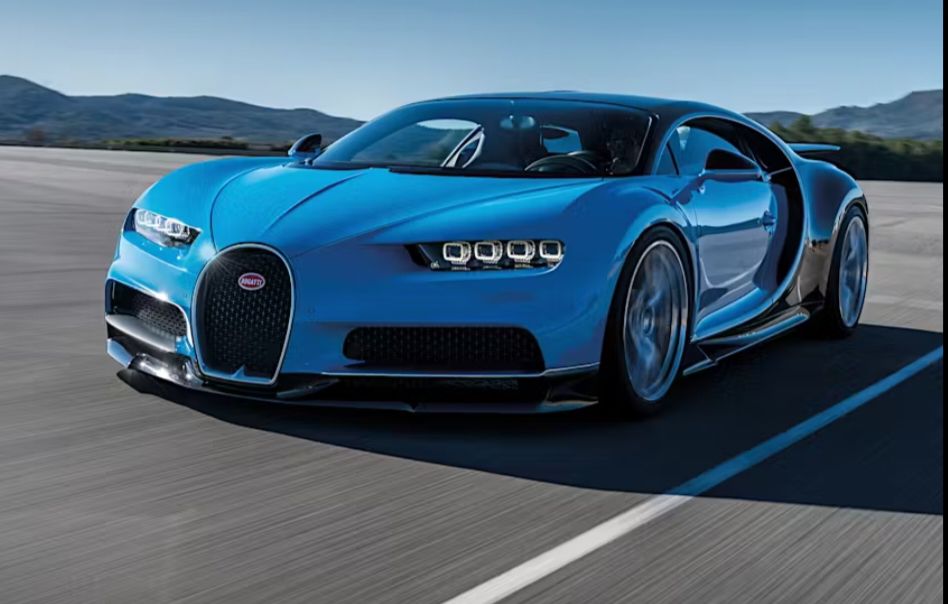
The Bugatti Veyron didn’t just break records—it redefined them. Without it, we might never have seen successors like the Bugatti Chiron, Rimac Nevera, or the upcoming Bugatti Tourbillon. At 20 years old, the Veyron stands not just as a car, but as a milestone in automotive history—one that still captures imaginations around the world.
Frequently Asked Questions About the Bugatti Veyron
How fast is the Bugatti Veyron?
The original Veyron reached a top speed of 407 km/h (253 mph), making it the first production car to exceed 400 km/h.
How many Bugatti Veyrons were made?
Bugatti built just 450 units of the Veyron between 2005 and 2015, making it an extremely rare hypercar.
How much did the Bugatti Veyron cost when new?
The Veyron originally sold for around $1.7 million USD, though each car reportedly cost Volkswagen Group far more to produce.
Is the Bugatti Veyron still the fastest car in the world?
No. The Veyron has since been surpassed by newer hypercars, including its successor, the Bugatti Chiron. However, it remains a landmark achievement in speed and engineering.
Why is the Bugatti Veyron so important?
The Veyron pushed the limits of automotive technology, proving that extreme speed could be combined with comfort and luxury. It inspired the next generation of hypercars and remains one of the most influential cars ever built.