The 2025 Nobel Prizes
The world is once again celebrating excellence as the 2025 Nobel Prizes are being unveiled between October 6 and 13. These prestigious awards honor groundbreaking work across six major fields:
Physiology or Medicine
Physics
Chemistry
Literature
Peace
Economic Sciences
So far, the winners in Medicine and Physics have been announced, while the remaining categories are still to come. Here’s a closer look at this year’s early honorees and their remarkable achievements.
Nobel Prize in Physiology or Medicine 2025 Winners
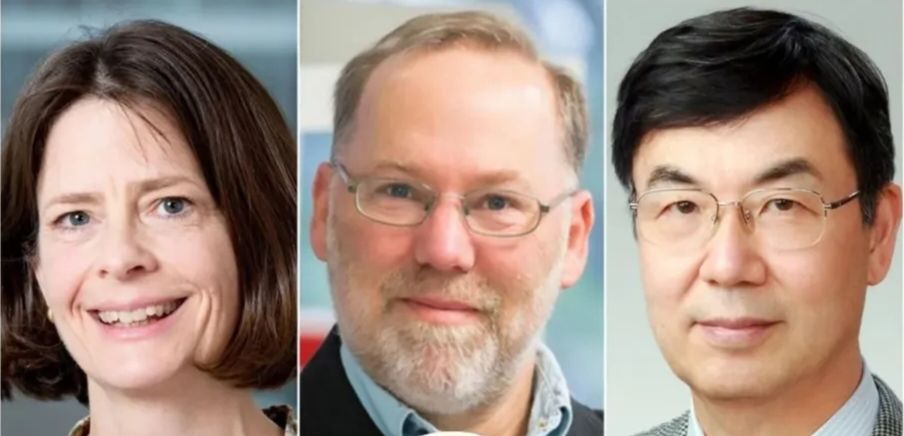
Mary E. Brunkow (USA)
Fred Ramsdell (USA)
Shimon Sakaguchi (Japan)
Their Discovery:
The trio received the prize “for their discoveries concerning peripheral immune tolerance.”
Put simply, their research revealed how our immune system learns to tell the difference between harmful invaders and the body’s own cells. They identified a unique group of immune cells known as regulatory T cells (Tregs) and discovered the crucial role of the FOXP3 gene in controlling their behavior.
Think of Tregs as the immune system’s peacekeepers — they prevent unnecessary attacks on the body itself, keeping autoimmune diseases at bay. Their discoveries have paved the way for new treatments for autoimmune disorders, improved organ transplant outcomes, and even potential advancements in cancer immunotherapy.
Why It Matters:
Deepened our understanding of how the body maintains immune balance.
Shed light on autoimmune conditions, where the immune system mistakenly targets healthy tissues.
Opened new possibilities for therapies that fine-tune immune responses.
Nobel Prize in Physics 2025 Winners
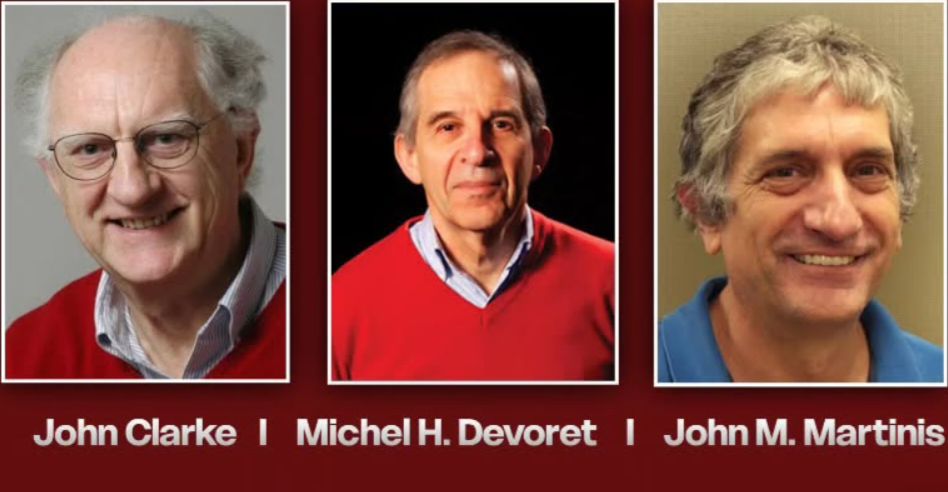
John Clarke (UK/USA)
Michel Devoret (France/USA)
John M. Martinis (USA)
Their Breakthrough:
This year’s Physics laureates were recognized for “the discovery of macroscopic quantum mechanical tunneling and energy quantisation in an electric circuit.”
In simpler terms, they showed that quantum effects—usually confined to atoms and subatomic particles—can also occur in larger, engineered systems like electrical circuits and superconducting devices.
Using superconducting circuits such as Josephson junctions, their experiments demonstrated that electrons (or pairs of electrons) can “tunnel” through barriers and that energy in these circuits exists in discrete levels—a hallmark of quantum behavior.
Why It’s Groundbreaking:
Bridges the gap between abstract quantum theory and real-world engineering.
Lays the groundwork for quantum technologies like quantum computers, sensors, and encryption systems.
Expands our understanding of how quantum physics operates on a macroscopic scale.