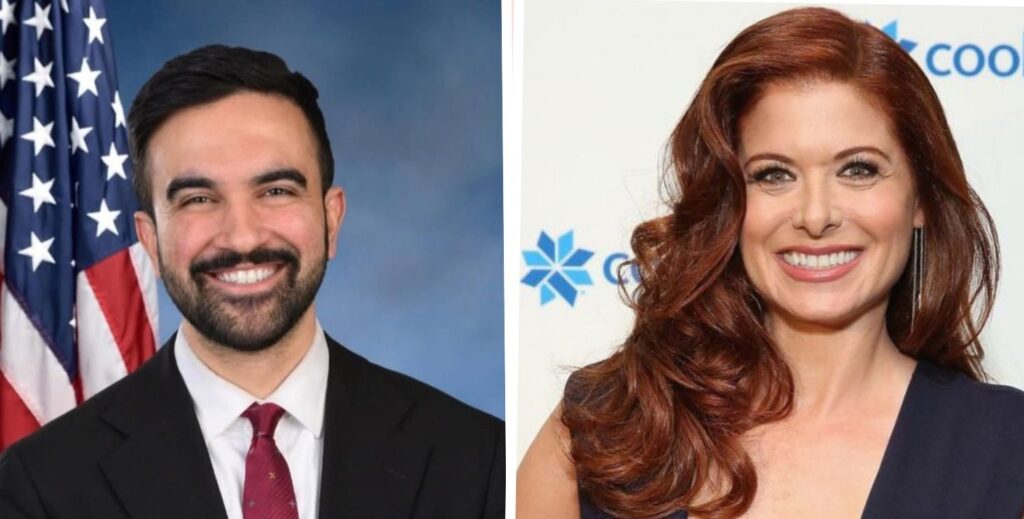
On election day in New York City, award-winning actress Debra Messing found herself at the centre of a social media storm. She reposted a politically-charged meme on her Instagram Story that labelled mayoral candidate Zohran Mamdani a “jihadist”—sparking widespread criticism for both the content and timing of the post.
The post in question
The original image, shared by an account known as “The Persian Jewess,” depicted a mock ballot choice:
One option: “A Democrat. Just a Democrat.”
The other: “An actual communist jihadist. A literal Karl Marx-quoting, America-hating jihadist.”
The account captioned the meme: “This isn’t just a mayoral race. It’s the battle for Democracy itself. New York City, make the right choice. Vote for [Andrew] Cuomo. Vote for NYC. Vote for Democracy.” The hashtag #ZohranMamdani was appended.
Messing’s repost of this image prompted considerable backlash, with critics pointing to the use of “jihadist” as not only incendiary but misleading—and potentially Islamophobic given Mamdani’s background.
Messing’s position and reaction
Messing, best known for her role on the sitcom Will & Grace, has long been vocal on political issues. In her defense of the post, she characterized her stance as grounded in concerns about experience and public safety. In a red-carpet interview in Tel Aviv, she said:
> “I voted for Cuomo because he has decades of experience… New York City is the financial centre of our country. I don’t think [Mamdani] has the experience for the job.”
Nevertheless, the volume and tone of her Instagram activity—reports say she posted more than 90 stories in the 24 hours leading up to the poll—added fuel to the fire.
Why the reaction escalated
Several dynamics contributed to the intensity of the backlash:
Terminology & implication: The use of the word “jihadist” carries heavy connotations, especially when used in a political attack against a Muslim-background candidate. Critics argued this went beyond critique of policy into territory of religious stereotyping.
Election timing: Sharing such a post on the day New Yorkers were voting magnified its visibility and the ensuing scrutiny.
Candidate’s profile: Mamdani, a state assembly member and first-generation American of South Asian origin, has attracted strong reactions—both positive and negative—during his mayoral run.
Social-media flood: Messing’s large number of posts created a perception of persistent and intensified targeting, which increased public concern and amplified criticism.
Broader implications
This incident underscores how celebrity endorsements—and the content they share—can in fact influence public perception in complex ways. When high-profile individuals engage in partisan or ideological commentary, the optics of credibility, responsibility and bias come sharply into focus.
In this case, the question raised is: When criticism of a public figure dips into inflammatory or culturally charged territory, does it cross a line from debate into prejudice?
What this means going forward
For Messing: The episode may affect her public image and raise questions about how celebrities engage with politics and social media.
For Mamdani: The controversy may galvanize supporters who view the post as unfair or discriminatory, and underline the challenges faced by minority-background candidates in high-stakes elections.
For the public: The story signals the importance of verifying the origin and intent of political memes, especially when shared by influential people.