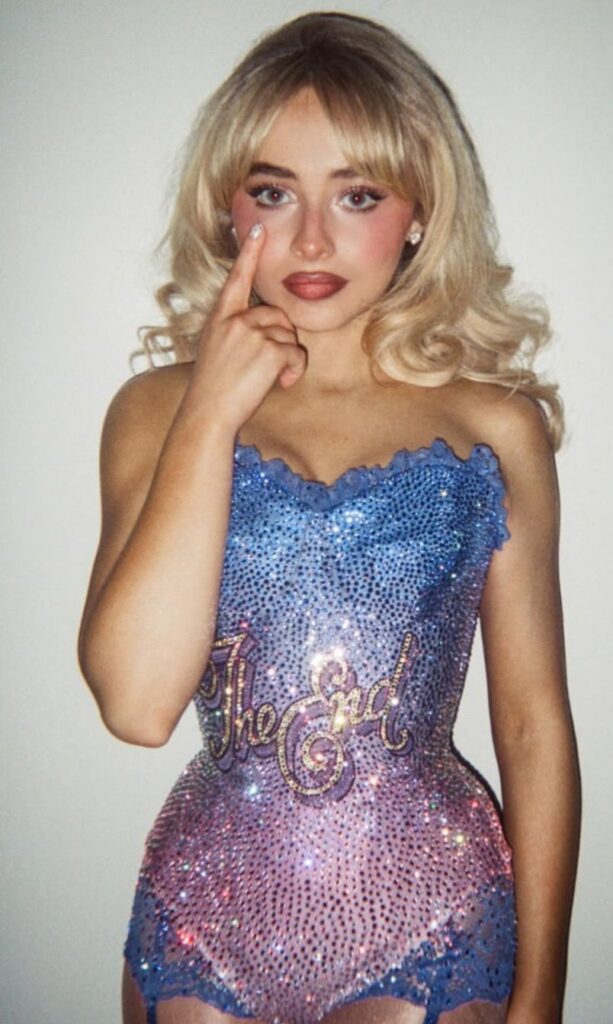
Sabrina Carpenter is making it crystal clear: her music is not to be used for political messaging — especially not for something she finds inhumane.
The pop star publicly blasted the White House after officials paired her 2024 hit “Juno” with a video showing immigration enforcement raids. Shared across official government social accounts, the montage displayed agents detaining people on the street while a looped clip of Carpenter’s song played in the background.
Carpenter quickly took to social media to distance herself and her work from the message being pushed.
> “This video is evil and disgusting. Do not ever involve me or my music to benefit your inhumane agenda.”
Her response was fast and unapologetic, making her stance impossible to ignore.
How Her Music Ended Up in a Political Firestorm
The controversy stems from a video posted by the administration featuring clips of ICE officers arresting individuals in broad daylight. Text laid over the visuals used lyrics from “Juno,” including the line, “Have you ever tried this one?” — followed by the caption: “Have you ever tried this one? Bye-bye.”
Carpenter, who did not authorize her music for political use, was outraged. The use of a pop track — playful and upbeat by nature — alongside aggressive arrest footage struck her as a disturbing manipulation of her art.
To her, the messaging crossed a line. She made it clear that her song should never be used to justify or promote policies she views as harmful.
The White House Fires Back — Intensifying the Clash
Instead of backing down, apologizing, or taking the video down, the White House doubled down in reply. A spokesperson fired off a statement sharply defending the administration’s actions and even referenced Carpenter’s album name in the process.
> “We won’t apologize for deporting dangerous criminals… Anyone who would defend these people must be stupid — or slow.”
The pointed remark escalated the dispute and drew even more national attention to the conflict.
Not the First Artist to Demand ‘Hands Off My Music’
If this situation feels familiar, it’s because it is. Musicians on all sides of the political spectrum have repeatedly demanded that their songs not be used without consent — especially in a political arena.
But Carpenter’s reaction stands out for how decisively she rejected the association. She wasn’t just objecting to permission or licensing — she was condemning what the music was being used to promote.
Why It Matters: Creativity, Consent, and Messaging
This moment highlights a growing cultural battle around how art and politics collide:
🎧 Ownership & artistic control
Artists increasingly want a say in how their work is presented — especially when tied to charged topics like immigration.
⚖️ Ethical boundaries
For many creators, the issue isn’t only legal. It’s moral. Carpenter doesn’t want her voice used to support actions she perceives as causing harm.
📣 Influence & symbolism
Pop music carries emotional weight and commands massive audiences — making it a powerful tool for shaping public perception. When misaligned with an artist’s values, it can feel like a betrayal of what their art represents.
Bottom Line:
Sabrina Carpenter didn’t just object to unauthorized use of her song. She used her platform to say something larger — that her music should never be used to fuel a message she doesn’t believe in.
As politics becomes more intertwined with entertainment and social media, expect more artists to take a stand just as boldly.