Grokipedia launched on Monday as Elon Musk’s AI-written encyclopedia.
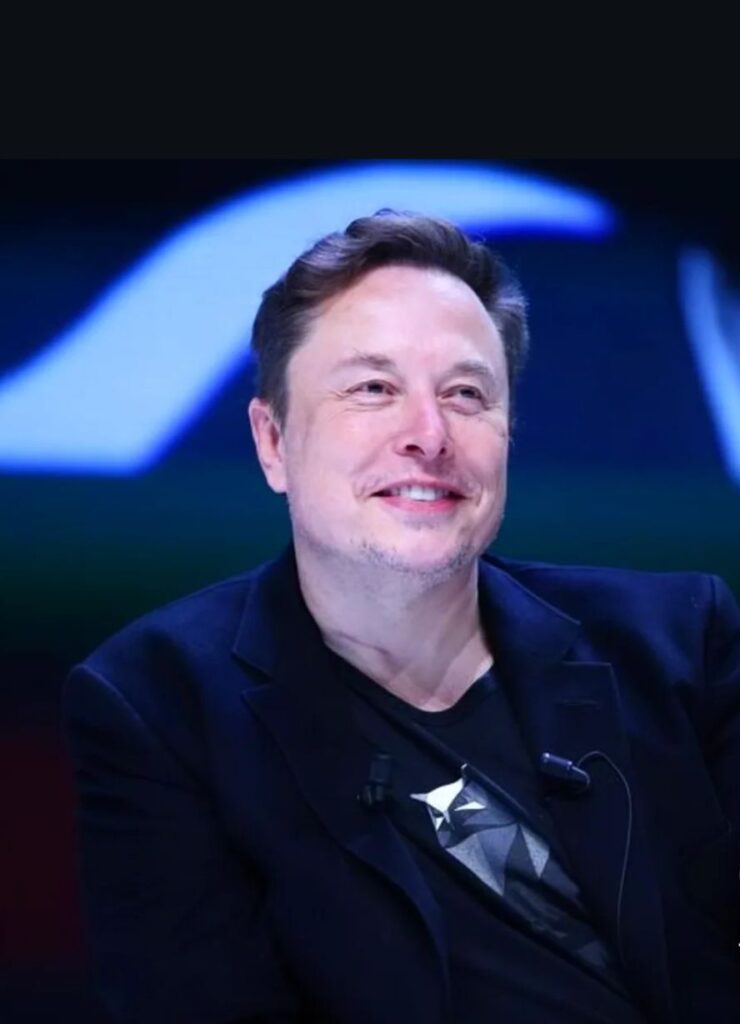
Elon Musk has officially introduced Grokipedia, his own version of Wikipedia, marking his latest move to reshape how people access and share information online. The billionaire entrepreneur announced the platform on Monday, calling it an effort to build a “truth-driven” alternative to traditional knowledge hubs.
According to Musk, Grokipedia aims to provide “the truth, the whole truth and nothing but the truth,” a slogan he shared on his social platform X (formerly Twitter). He also said he plans to preserve copies of Grokipedia in orbit, on the Moon, and even on Mars — a typical Musk-style futuristic twist.
What Is Grokipedia?
Grokipedia mirrors the minimalist design and layout of Wikipedia, but it’s powered largely by Musk’s AI chatbot, Grok. At launch, the site hosts just over 800,000 articles, a fraction of Wikipedia’s massive 7 million-plus entries.
Unlike Wikipedia — where anyone can edit and contribute — Grokipedia’s editorial process appears to be AI-driven, though users can submit feedback if they spot mistakes. It’s still unclear how much human editing is involved behind the scenes.
Why Musk Created Grokipedia
Musk has long criticized Wikipedia, accusing it of being “controlled by far-left activists.” Many conservative users have echoed similar concerns, arguing that the site leans toward liberal perspectives on political and cultural topics.
By launching Grokipedia, Musk says he hopes to build a platform that encourages critical thinking, transparency, and balanced reporting. He wrote on X, “As Grok improves, so will Grokipedia. We’re embedding the principles of reasoning and cogency into the system.”
How It Differs from Wikipedia
Early comparisons between the two encyclopedias reveal significant contrasts — especially in how they portray Musk himself.
Wikipedia’s entry describes Musk as a “polarizing figure” who has faced criticism for spreading misinformation, making controversial remarks, and contributing to an increase in hate speech following his 2022 takeover of Twitter (now X).
Grokipedia’s version, on the other hand, presents a far more positive tone. It highlights Musk’s role in advancing technology and challenging institutional bias, claiming he has “prioritized content moderation reforms” while facing “criticism from legacy media outlets.”
Critics note that Grokipedia’s references lean heavily on general sources like Forbes’ billionaire rankings, rather than specific articles or verified documents — something that could raise questions about accuracy and transparency.
A Step Toward Musk’s Vision of an ‘Alternative Internet’
Grokipedia is just the latest in Musk’s ongoing effort to build an independent media and information ecosystem, free from what he perceives as mainstream bias. It follows the creation of X’s Community Notes fact-checking feature and the rapid growth of Grok AI, his conversational assistant for Premium X users.
Whether Grokipedia can rival Wikipedia’s vast community and credibility remains to be seen — but one thing is clear: Musk isn’t done challenging the status quo.