Louvre Museum Robbery
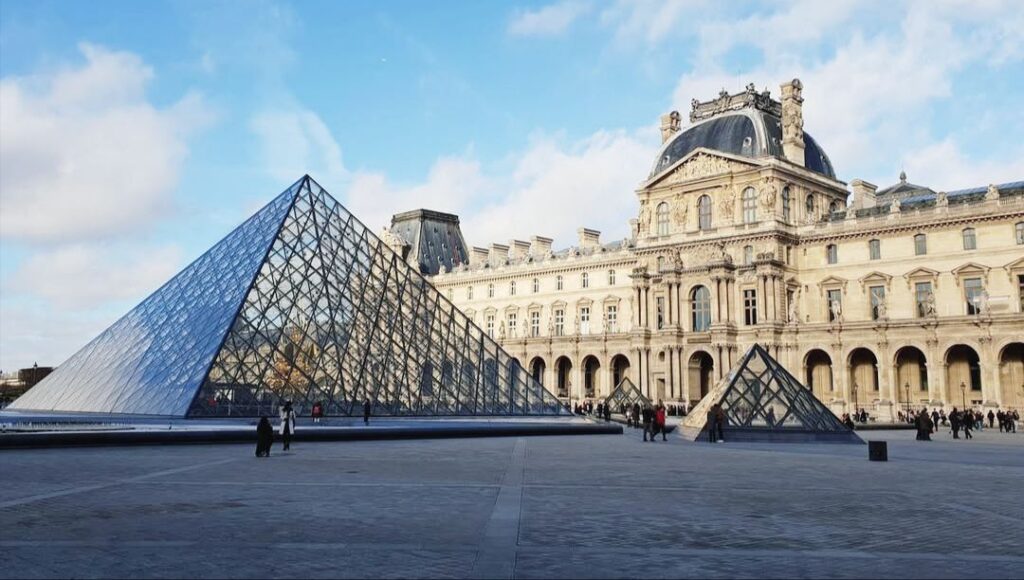
In a scene that feels ripped from a movie script, Paris awoke Sunday to news of a stunning art heist at the legendary Louvre Museum. In less than seven minutes, a group of skilled thieves managed to snatch Napoleonic jewels of immeasurable value, leaving investigators and art lovers reeling.
French officials have described the operation as one of the boldest thefts in modern memory. The stolen treasures—once belonging to Emperor Napoleon Bonaparte and his empresses—represent more than wealth; they embody a vital piece of France’s imperial past.
A Carefully Orchestrated Break-In
The robbery unfolded around 9:30 a.m., just as the museum began its day. Investigators believe the criminals entered through a window overlooking the River Seine, using power tools to cut their way inside. Ongoing construction work near that section of the museum may have unintentionally aided their access.
According to police, a maintenance cherry picker was used to reach the first-floor Apollo Gallery, which houses the remnants of the French crown jewels. Once inside, the masked crew—believed to consist of four individuals—moved swiftly and deliberately. Two acted as lookouts while the others shattered glass display cases and grabbed the glittering relics.
By the time security staff were alerted, the thieves had vanished into Paris traffic on motorbikes, leaving behind only chaos and broken glass.
Museum Shuttered, Authorities Mobilized
Within minutes, the Louvre—visited by over 8.7 million people last year—was placed on lockdown. Tourists were escorted outside as police teams secured the premises and began collecting forensic evidence, from tool marks and fingerprints to CCTV footage from surrounding areas.
The Paris Public Prosecutor’s Office has since opened an inquiry into “organized theft and criminal conspiracy.” Culture Minister Rachida Dati took to X (formerly Twitter) to confirm the incident, emphasizing that no injuries occurred and promising a full investigation.
Interior Minister Laurent Nuñez told local radio that the robbers appeared “highly organized” and had “clearly conducted surveillance before striking.”
A Broken Crown, a Crucial Clue
Hours after the robbery, investigators discovered a crucial lead: one of the stolen pieces—the Crown of Empress Eugénie—was found damaged outside the museum grounds. Created in the 1800s for Napoleon III’s wife, the crown is a rare survivor of France’s monarchical era.
Forensic teams are now examining the item for DNA traces, fingerprints, and fibers that might point to the thieves’ identities.
Echoes of Infamous Art Heists
The brazen Louvre robbery joins the ranks of historic art crimes, from the 1990 Gardner Museum theft in Boston to the 2019 Dresden Green Vault burglary in Germany. But experts say this case is particularly striking—both for its location and for the symbolism of the stolen objects.
Security analysts suspect the involvement of a professional European crime ring, citing the thieves’ precision, timing, and rapid escape. The jewels may already have been smuggled out of France, potentially destined for private collectors or black-market brokers.
France Reacts: Outrage and Heartbreak
The news has gripped the nation. For many Parisians, the Louvre represents far more than a museum—it’s a symbol of France’s soul. Crowds gathered near the museum gates on Sunday afternoon, some in disbelief, others visibly emotional.
“This isn’t just about stolen jewels,” one visitor told Le Monde. “It’s a robbery against French history itself.”
The French government has vowed to retrieve the missing artifacts, working closely with Interpol and international art recovery agencies.
A Security Wake-Up Call for the Louvre
The incident has reignited debate over how the Louvre safeguards its treasures. Despite being one of the most secure museums in the world—with advanced surveillance and armed guards—this heist exposed vulnerabilities that experts say must be addressed.
Officials have not disclosed the total value of the missing jewels, though estimates suggest they could be worth tens of millions of euros. Still, historians argue that their cultural and emotional value is beyond measure.
The Search for the Jewel Thieves Intensifies
As of Monday, no arrests have been made. French authorities are analyzing hours of video footage, reviewing possible escape routes, and coordinating with European border officials. Investigators believe the planning for this crime may have taken months.
For now, the Apollo Gallery remains sealed off, and France waits—uneasily—for answers.