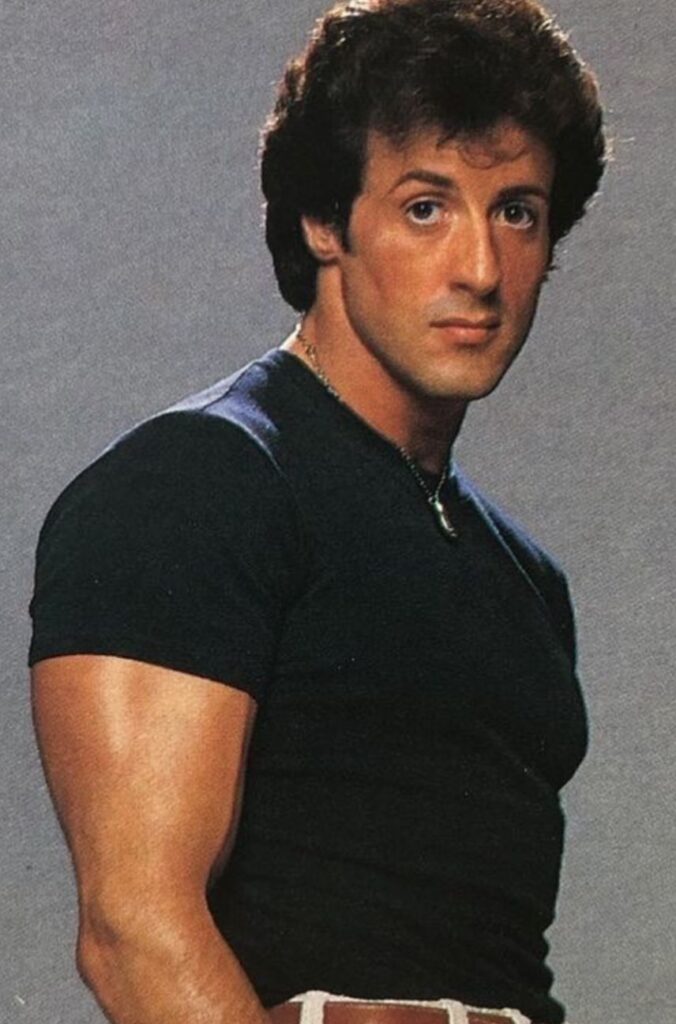
More than four decades after its release, ‘Rambo: First Blood’ remains one of the most influential action films of all time. But according to Sylvester Stallone, one crucial creative decision still haunts him: the removal of a scene that would have revealed Sheriff Will Teasle’s past as a Korean War veteran.
Stallone believes this omitted moment could have transformed the film into something far more emotionally complex—a story not just about a broken soldier versus authority, but about two men scarred by war.
A Lost Layer of Emotional Depth
In the final cut of the 1982 film, Sheriff Teasle (played by Brian Dennehy) is portrayed as a stubborn antagonist—one who escalates the conflict through arrogance and authority. But early drafts of the screenplay painted a very different picture.
Originally, Teasle himself was a veteran, struggling with the unresolved trauma of the Korean War. This detail would have added a tragic irony to the story: two soldiers from different generations, both damaged by war, now locked in conflict instead of understanding each other.
Stallone has since stated that removing this element stripped Teasle’s character of emotional complexity, turning him into a more one-dimensional figure instead of a mirror image of Rambo.
Two Veterans, One Battlefield
Had the scene remained, the film could have explored a much more powerful dynamic:
Teasle wouldn’t just represent authority—he would represent a different generation of forgotten soldiers.
Rambo’s suffering wouldn’t feel isolated; it would reflect a larger cycle of trauma.
Their conflict would become less about law versus rebellion, and more about the clash of unresolved pain. Instead of a simple manhunt, ‘First Blood’ could have been a deeply tragic conflict between two men who could have understood each other—but didn’t.
Pacing vs. Emotional Depth
The decision to cut the scene wasn’t careless. Stallone wanted to speed up the film and make it more accessible to a wider audience. As a result, ‘First Blood’ became a concise, tense, and powerfully paced survival thriller.
However, this decision came at a cost.
By omitting Teasle’s backstory, the film lost a layer of moral complexity. Audiences were encouraged to side with Rambo, rather than seeing both men as victims of the same system that used and discarded them.
It’s a classic dilemma of filmmaking: should a story move quickly, or delve deeper?
Why Rambo Still Feels So Human
Despite this missing piece, ‘First Blood’ stands apart from the subsequent films in the franchise. Here, Rambo isn’t a glorified killing machine—he’s a broken man trying to survive.
In contrast to the explosive, patriotic tone of the sequels, the original film focuses on:
PTSD and psychological isolation
Society’s failure to support returning soldiers
The fine line between survival and violence
Rambo doesn’t want to fight. He’s forced to. And that’s what makes him so compelling.
Adding Teasle’s war veteran background could have amplified these themes even further.
A Film That Remains Relevant Today
Despite this omission, Rambo: First Blood remains a powerful film. Its portrayal of trauma, isolation, and misunderstood war veterans continues to resonate with audiences today.
Stallone’s reflection reminds us that sometimes the most meaningful parts of a story are the ones left untold.
What if Teasle had also been shown as a wounded soldier? What if their final confrontation wasn’t merely a conflict, but a moment of shared suffering?
We may never know for sure—but imagining this makes the film all the more poignant.